Can You Expand an Existing Deck Without Compromising Its Structure?
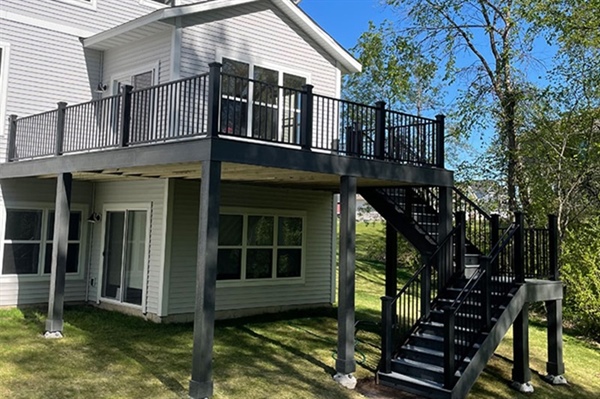
Homeowners often reach a point where an existing deck no longer fits how the space is used. Families grow, entertaining needs change, or outdoor layouts evolve. A common question that follows is whether a deck can be expanded without compromising its structure. From a construction standpoint, the answer depends on how the original deck was designed, how loads are transferred to the ground, and whether the framing and footings were built with future changes in mind. These factors determine whether an expansion can safely integrate with what’s already there.
Premier Decks & Remodeling regularly evaluates decks built years earlier to determine how they interact with current building standards and material performance. Expanding a deck requires careful consideration of structural evaluations, material compatibility, footing capacity, load distribution, and safety code requirements. The following sections explore these areas in detail, addressing what must be reviewed before construction begins, how older and newer components can work together, and when replacing the entire structure makes more sense than building onto it. For readers interested in general deck construction fundamentals, examples can be found on this page about decks.
Structural Evaluations Required Before Expanding an Existing Deck
Before adding onto an existing deck, a comprehensive structural evaluation is required to verify that the current framing system can support additional loads. This evaluation typically begins with inspecting the ledger board connection to the home, as ledger failure remains one of the most common causes of deck collapse. Fastener spacing, flashing integrity, and the condition of the house rim joist must all be verified to confirm the ledger can safely transfer loads.
The next step involves assessing joists, beams, and posts for span compliance and material condition. Older decks were often built under earlier building codes that allowed longer spans or fewer fasteners than current standards. Inspectors measure joist spacing, beam sizes, and post alignment to determine whether reinforcement is required. Wood degradation from moisture exposure, insect activity, or improper drainage is also evaluated, as compromised members cannot reliably carry new loads.
Footings and soil conditions are also reviewed during a structural evaluation. Expansions increase downward and lateral forces, which may exceed the original footing design. Builders reference current code requirements and soil bearing values to determine whether existing footings can remain or if supplemental supports are required. These evaluations form the technical foundation for deciding whether an expansion can proceed safely.
Matching New Deck Materials with Existing Structures
Seamlessly matching new deck materials with older ones requires understanding how materials age and perform over time. Pressure-treated lumber, for example, changes color, density, and moisture content as it dries and weathers. When new lumber is introduced alongside older boards, differences in shrinkage and appearance can create visible transitions if not properly managed.
Composite decking presents a different challenge. Older composite boards may no longer be manufactured, making exact color or profile matches unavailable. Builders often evaluate whether a complementary contrast or a defined transition zone provides a more consistent appearance than attempting a near match. Structural compatibility is also reviewed to confirm fastener systems and joist spacing meet manufacturer specifications.
In many cases, replacing select surface boards across the entire deck creates visual continuity while allowing the substructure to remain intact. This approach balances aesthetics with structural integrity and aligns with construction methods used across modern decks where mixed-age materials are unavoidable.
Footings and Support Components Commonly Replaced During Deck Expansions
Deck expansions frequently require replacing or supplementing footings and vertical supports. Many older decks were built with shallow concrete pads or surface-set piers that do not meet current frost-depth requirements. When new load paths are introduced, these supports may no longer provide adequate resistance to settlement or uplift.
Posts and beams are also evaluated for load capacity and alignment. It is common to find posts that are undersized, improperly notched, or resting directly on soil rather than approved hardware. Expanding a deck often increases tributary loads, which can overstress these components if they remain unchanged.
Modern expansion projects typically introduce deeper poured footings, upgraded post bases, and engineered beams to accommodate both the original structure and the new addition. These replacements improve overall stability and extend the service life of the deck system.
How Increased Loads Impact Deck Railing and Stair Requirements
When a deck is expanded, changes in load distribution can affect railing and stair requirements beyond simple dimensional adjustments. Larger deck surfaces often increase occupant load, which directly influences lateral force requirements for guardrails. Current building codes specify minimum load resistance values that older rail systems may not meet.
Stair systems are also impacted by expansion. Adding square footage can change stair placement, rise and run calculations, and landing sizes. Existing stairs may no longer align with new traffic patterns, requiring redesign to maintain safe egress and consistent step geometry.
Handrail height, baluster spacing, and attachment methods are evaluated to confirm compliance with current standards. These adjustments are not cosmetic; they are structural safety measures designed to manage increased use and load conditions.
Situations Where Full Deck Replacement Is Preferable to Expansion
In some cases, expanding an existing deck is not the most practical or safe option. Decks with widespread structural decay, outdated framing layouts, or noncompliant footings often require extensive reinforcement that approaches the scope of full replacement. When multiple systems must be rebuilt, replacement can provide a more predictable outcome.
Older decks constructed under obsolete codes may lack proper load paths, lateral bracing, or ledger attachment methods. Expanding such structures can introduce hidden risks that are difficult to fully mitigate. Engineers and builders often recommend replacement when structural upgrades would require dismantling most of the existing framework.
Premier Decks & Remodeling evaluates these conditions during planning stages to determine whether expansion or replacement best aligns with safety standards and long-term performance. Guidance on structural rebuild considerations can be found through Premier Decks & Remodeling resources.
Expert Deck Expansion and Structural Planning Support
Expanding a deck without compromising its structure requires careful planning, code knowledge, and experience with both older and modern construction methods. Premier Decks & Remodeling applies detailed structural evaluations, material assessments, and load calculations to determine the safest path forward for each project in Isanti, MN. Whether a deck requires selective reinforcement or full replacement, every recommendation is based on proven construction standards.
From footing upgrades and framing corrections to railing and stair compliance, the company provides clear guidance throughout the process. Homeowners receive accurate assessments that address long-term durability, safety, and performance rather than short-term fixes. This approach reduces future maintenance risks and aligns deck structures with current building expectations.
To discuss deck expansion options or schedule a structural review, contact Premier Decks & Remodeling at 763-238-6195. More information is available through their contact us page.