How Can Homeowners Maintain Their Custom Wood Decks Year-Round in Minnesota?
Wood decks bring timeless charm and functional outdoor space to Minnesota homes, but maintaining their quality through the region’s intense seasons takes year-round diligence. From summer sun exposure to subzero winter conditions, these decks face a wide range of environmental stressors that can impact their longevity and appearance.
Many homeowners enjoy their decks most during the warmer months, but true preservation happens long before spring sunshine returns. Without consistent upkeep, natural wood can deteriorate from moisture, UV rays, snow load, and more. That’s why the team at Premier Decks & Remodeling has seen firsthand how seasonal maintenance strategies—like proper sealing schedules, winter prep, and damage inspections—can prevent costly repairs down the line.
In this article, we’ll explore the most effective ways to maintain your custom wood deck year-round. We’ll answer questions such as how often to seal or stain your deck, the best strategies to protect it during harsh winters, and which signs of damage you should watch for. These tips offer practical, proven ways to extend the life of your decks and preserve their appearance across all four seasons.
How Often Should Wood Decks Be Sealed or Stained in Minnesota?
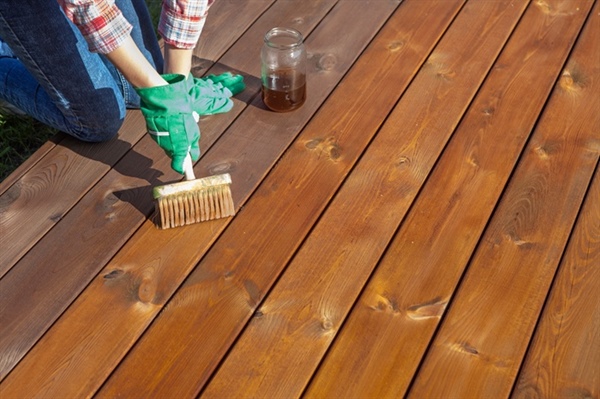
In Minnesota’s climate, wood decks should typically be sealed or stained every 1 to 3 years, depending on the product used and exposure to sun, snow, and moisture. Because natural wood is porous and sensitive to weather fluctuations, sealing helps prevent moisture absorption, which can lead to warping, cracking, and rot. Semi-transparent stains, which combine color with water resistance, often require more frequent reapplication than solid stains or sealers with higher UV protection.
For decks exposed to full sun or minimal tree cover, UV radiation breaks down sealants faster—especially during Minnesota’s hot, humid summers. Homeowners in these conditions may need to reseal annually. In contrast, shaded decks or those built with high-performance finishes may retain protection for up to three years. To check if your deck needs sealing, pour a few drops of water on the surface. If it soaks in immediately instead of beading up, it’s time to reseal.
Wood types also play a role. Softer woods like pine tend to need more frequent staining than hardwoods like cedar or redwood. To preserve your deck’s appearance and structural integrity, it’s crucial to use high-quality stains designed for freeze-thaw cycles and moisture-heavy conditions. For more information about properly sealing or staining your decks, consider a maintenance schedule aligned with Minnesota’s seasonal transitions—spring and early fall are ideal for sealing windows.
Can Snow and Ice Cause Damage to Wood Decking?
Yes, snow and ice can cause significant damage to wood decking, especially in regions like Minnesota, where freeze-thaw cycles are severe. Moisture from melting snow can seep into wood fibers, and when temperatures drop again, that water expands as it freezes. This repeated expansion and contraction can cause surface cracks, warping, and splintering. Over time, the damage weakens the structural integrity of the decking boards and joints.
Ice accumulation adds additional weight and pressure, particularly on railings and stairs. This can stress support posts and connectors, especially on older decks or those not built with winter loads in mind. Ice dams may also develop when snow melt pools in certain areas and then freezes again, promoting rot and mold under the surface. When moisture becomes trapped under debris or snow, it creates conditions ripe for fungal growth, mildew, and decay—all of which reduce the life of a wood deck.
The severity of snow and ice damage often depends on whether the deck was sealed before winter. Unsealed wood absorbs water more readily, making it more vulnerable. Decks with poor drainage or no slope also retain moisture longer, increasing the risk. Preventive maintenance—like sealing in fall and regularly clearing snow—plays a key role in protecting wood from winter-related damage. Annual inspections in early spring can help identify problems caused by winter stress before they evolve into more serious structural concerns.
Is Annual Power Washing Necessary for Wood Deck Maintenance?
Power washing wood decks annually can be beneficial, but it must be done correctly to avoid causing more harm than good. Over time, wood decks accumulate dirt, mildew, algae, and stains from leaves and foot traffic. Annual washing removes this buildup and restores the wood’s appearance, preparing the surface for sealing or staining. In Minnesota’s climate, this cleaning is especially important after winter, when moisture and debris may have accumulated under snow and ice.
However, power washing with high pressure or incorrect technique can splinter softwood, strip protective coatings, and gouge the surface. To minimize this risk, use a fan tip, keep the pressure below 1,500 psi, and maintain a consistent distance from the wood. Always wash along the grain and never linger in one spot. For decks with older or softer wood, a scrub brush and deck cleaner may be safer alternatives. It’s also advisable to allow the deck to dry thoroughly—typically 48 hours—before resealing or staining.
While annual power washing is not strictly mandatory, it plays an important role in preventative maintenance. When done safely, it prolongs the life of sealants, prevents organic growth, and keeps your deck looking its best. For homeowners committed to protecting their investment, yearly power washing—paired with proper sealing—is an effective routine, especially in regions like Minnesota where seasonal shifts are extreme.
Common Signs of Damage to Watch for on Wood Decks
Spotting early signs of damage on a wood deck is essential for extending its lifespan and preventing costly repairs. One of the most visible indicators is surface discoloration or fading, which often suggests UV degradation or that the protective finish has worn off. If the wood looks gray or blotchy, it may no longer be protected from moisture, increasing the risk of rot. Splintering or soft spots on boards—especially near fasteners or in shaded, damp areas—are signs that water may have penetrated the surface and started internal decay.
Structural concerns are just as important. Loose or wobbly railings, shifting steps, or sagging boards can indicate compromised fasteners or underlying rot in joists and ledger boards. Pay close attention to areas where the deck connects to the house or posts meet footings—these are high-risk zones for moisture-related damage. Rusted nails, lifted screws, or nails popping up are often symptoms of wood movement caused by repeated freeze-thaw cycles, which are common in Minnesota’s winters.
Other signs include mildew, algae, or fungal growth, particularly in corners or under planters where moisture lingers. These not only pose safety hazards due to slippery surfaces but also signal poor drainage or ventilation. Pests like carpenter ants or termites are more likely to infest damp or decaying wood. Regularly walking your deck and inspecting it from underneath provides a full view of potential issues.
How Premier Decks & Remodeling Helps Protect and Maintain Wood Decks in Minnesota
Maintaining a wood deck in Minnesota is more than a seasonal task—it’s a year-round commitment to preserving outdoor beauty and safety. Premier Decks & Remodeling understands the unique challenges posed by the region’s harsh winters and humid summers.
Whether it’s scheduling regular sealing, preparing for snow, identifying damage early, or knowing the best time to clean and reseal, our team provides expert guidance and craftsmanship to keep decks in optimal condition. If you’ve noticed discoloration, loose boards, or wear from winter, or if you're unsure when your deck was last sealed, we can help! To learn more about our deck maintenance services or to schedule a consultation, contact us online today.