How Do You Integrate Outdoor Kitchens Into a Custom Deck Design?
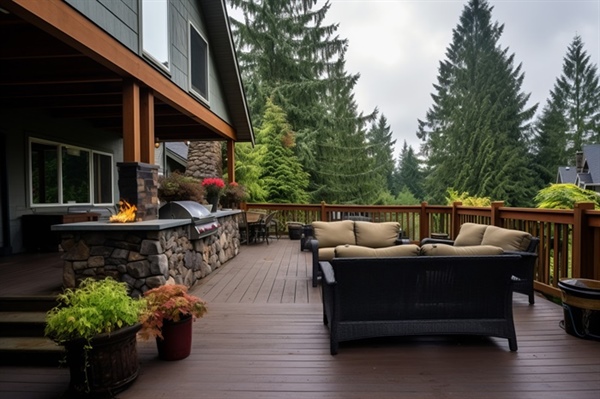
Integrating an outdoor kitchen into a custom deck design requires more than selecting appliances and finishes. Structural planning, utility coordination, material performance, and layout flow all shape whether the space functions safely and comfortably over time. When cooking, dining, and social areas are elevated above grade, the deck must handle concentrated loads, exposure to weather, and heat-producing equipment without compromising stability or long-term durability. These considerations influence everything from framing depth and joist spacing to how surfaces respond to seasonal temperature shifts.
As custom deck projects have grown more complex, builders such as Premier Decks & Remodeling have adapted designs to support fully equipped outdoor kitchens while maintaining clean lines and usable space. This article examines how outdoor kitchens are integrated into modern decks by addressing five core planning questions. Each section looks at a different technical aspect, from structural load requirements and utility routing to material selection, ventilation planning, and layout strategies that support comfortable outdoor entertaining.
Structural Load and Weight Requirements for Outdoor Kitchens on Decks
Outdoor kitchens introduce concentrated static and live loads that exceed those of standard deck use. Built-in grills, masonry pizza ovens, refrigerators, stone countertops, and storage cabinets can weigh several hundred pounds each before occupants are added. Structural planning must account for dead load from permanent fixtures as well as live load from people, food preparation, and movement. Building codes typically require decks to support at least 40 pounds per square foot of live load, but outdoor kitchens often require localized reinforcement beyond this baseline.
Proper structural planning involves increased joist sizing, reduced joist spacing, and additional beam support beneath heavy appliances. Posts may need to be repositioned to transfer weight directly to footings rather than relying on cantilevered framing. In some cases, concrete footings or piers are placed directly under grill islands or stone counters to prevent long-term deflection. These methods are consistent with how Premier Decks & Remodeling engineers custom deck framing to accommodate non-standard loads without compromising deck lifespan.
Deck designs that incorporate outdoor kitchens often rely on engineered layouts similar to those used for permanent structures rather than decorative features. This approach mirrors best practices used in modern decks designed for heavy-use applications, where framing systems are planned around weight distribution instead of surface aesthetics.
Electrical and Gas Line Placement Considerations in Outdoor Kitchen Design
Electrical and gas line placement directly influences the layout, safety, and code compliance of an outdoor kitchen. Electrical requirements commonly include dedicated circuits for refrigerators, lighting, outlets, and sometimes infrared heaters or powered ventilation systems. Gas lines must be routed to grills, side burners, and fire features while maintaining required clearances from combustible materials and structural members.
Routing utilities through or beneath a deck requires advance coordination with framing plans. Penetrations through joists must follow structural code limitations, and utility runs often dictate appliance placement early in the design phase. Gas shutoff valves must remain accessible, and electrical outlets must meet ground-fault and weather-resistant standards. These constraints often eliminate last-minute layout changes once construction begins.
Well-planned utility placement reduces exposed conduit, limits tripping hazards, and preserves clean sightlines across the deck surface. Builders with experience in integrated deck systems plan utility paths concurrently with framing to avoid conflicts between structural supports and service lines.
Weather-Resistant Countertop and Cabinet Materials for Michigan Climates
Outdoor kitchen materials must tolerate wide temperature swings, freeze-thaw cycles, moisture exposure, and UV radiation common in Michigan climates. Countertops made from dense porcelain, sealed granite, or concrete with proper expansion joints resist cracking caused by thermal movement. Laminate and untreated stone often fail prematurely when exposed to repeated freeze conditions.
Cabinet construction also requires materials that resist moisture infiltration and corrosion. Marine-grade polymer cabinetry, stainless steel rated for exterior use, and masonry-based enclosures perform consistently across seasonal changes. Wood-based cabinets, even when sealed, are vulnerable to swelling and joint failure when exposed to prolonged humidity and snow accumulation.
Material selection is not only about surface durability but also how materials interact with the deck structure beneath them. Heavier countertops influence framing requirements, while impermeable cabinets can trap moisture if drainage and airflow are not planned correctly.
Ventilation Requirements for Safe Grill and Cooking Area Placement
Ventilation plays a critical role in outdoor kitchen safety and usability. Grills and cooking appliances generate heat, smoke, and combustion gases that must dissipate without damaging surrounding materials or creating discomfort for occupants. Placement too close to railings, walls, or overhead structures increases the risk of heat damage and smoke accumulation.
Clearance requirements vary by appliance type but commonly mandate minimum distances from combustible surfaces and overhead obstructions. Covered decks require additional planning, including vent hoods or open roof designs that allow heat to escape naturally. Without adequate ventilation, even outdoor-rated appliances can degrade faster due to trapped heat and grease residue.
Proper ventilation also influences how frequently the space can be used. Well-vented cooking zones allow grilling during warmer months without excessive heat buildup, while poorly ventilated layouts often go unused despite high initial investment.
Outdoor Kitchen Layouts That Support Entertaining and Traffic Flow
Effective outdoor kitchen layouts balance cooking efficiency with guest movement. Work zones for grilling, prep, and serving must remain clear of primary walk paths to prevent congestion. Industry standards often recommend maintaining at least 36 inches of clearance around cooking areas, with wider spacing when multiple people are expected to gather.
Layouts that position the grill facing seating areas allow hosts to engage with guests while cooking, while placing sinks and prep zones slightly offset reduces cross-traffic. Island-style configurations work well on larger decks, while linear kitchens along the perimeter preserve open floor space for dining and circulation.
These layout principles are frequently applied by Premier Decks & Remodeling in Isanti, Minnesota, where decks are designed to accommodate social use without compromising safety or structural performance. More information about integrated outdoor living solutions can be found through Premier Decks & Remodeling.
Plan an Outdoor Kitchen That Performs as Well as It Looks
Designing an outdoor kitchen that functions reliably on a custom deck requires careful coordination of structure, utilities, materials, ventilation, and layout. Premier Decks & Remodeling applies this planning process to each project, aligning deck framing with appliance loads, routing electrical and gas lines safely, and selecting materials that perform in harsh Midwest climates.
Premier Decks & Remodeling works with homeowners to create outdoor living spaces built for long-term use rather than seasonal novelty. From early design planning through construction, their team addresses each technical detail that supports safe cooking, comfortable entertaining, and structural stability.
To discuss how these principles apply to your property, call 763-238-6195 or reach out through their contact us page to start planning a deck and outdoor kitchen designed for real-world use.