What Are the Benefits of Adding a Pergola or Covered Structure to a Deck?
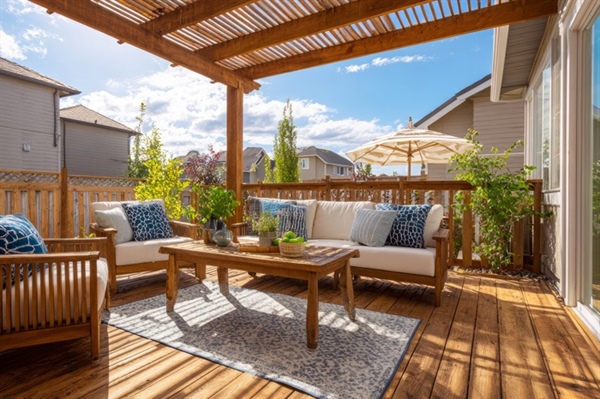
Adding a pergola or covered structure to a deck changes how the space functions during warm weather, seasonal transitions, and year-round use. Homeowners often start with a basic deck for outdoor seating, then discover that overhead coverage improves comfort, usability, and durability. Structures such as pergolas, roofed covers, and hybrid shade systems address sun exposure, moisture management, and long-term material protection while maintaining an open-air feel.
This article explains how pergolas and covered structures improve shade and comfort, which materials last longest outdoors, how snow loads affect roofed decks in colder regions, what wiring and lighting options integrate cleanly, and when permits are required. These topics reflect common planning questions homeowners face when expanding a deck. Premier Decks & Remodeling designs and builds outdoor structures that balance structural performance with everyday use.
How Pergolas Improve Shade and Summer Comfort on Decks
Pergolas reduce direct solar exposure by breaking up overhead sunlight rather than fully blocking it. The slatted design filters UV radiation, lowering surface temperatures on decking boards and surrounding furniture. Studies from the U.S. Department of Energy show that partial shade structures can reduce perceived outdoor temperatures by up to 10–15 degrees depending on orientation and slat spacing. This makes decks more usable during peak summer hours.
Comfort also improves through airflow management. Unlike solid roofs, pergolas allow hot air to rise and dissipate rather than trapping heat underneath. When oriented correctly, pergolas work with prevailing breezes to create passive cooling. Many homeowners pair pergolas with retractable canopies or adjustable louvers to fine-tune shade levels throughout the day without compromising ventilation.
Placement and proportion matter. Pergolas attached to a deck must be sized to provide shade where people sit and move, not just over open space. Structural posts, beam height, and slat orientation determine how effective the pergola is during midday sun versus late afternoon exposure.
Best Materials for Long-Lasting Outdoor Pergolas and Covers
Material selection determines how well an overhead structure resists moisture, UV exposure, and temperature cycling. Pressure-treated lumber remains common due to cost and structural strength, but it requires ongoing maintenance to prevent warping and surface degradation. Cedar offers natural rot resistance and dimensional stability, making it a frequent choice for pergolas where appearance and longevity are both priorities.
Aluminum pergolas and roof systems provide the longest service life with minimal maintenance. Powder-coated aluminum resists corrosion, does not absorb moisture, and performs consistently in freeze-thaw climates. Engineered vinyl and PVC systems also resist rot and insects, though they rely on internal aluminum reinforcement to meet structural load requirements.
For roofed structures, polycarbonate panels and standing-seam metal roofing outperform asphalt-based products in longevity. These materials shed snow efficiently, resist UV breakdown, and integrate cleanly with wood or aluminum framing systems used in permanent deck covers.
Snow Load Considerations for Roofed Deck Structures in Michigan
Snow load directly affects beam sizing, post spacing, and foundation design for covered decks. In Michigan, ground snow load requirements commonly range from 30 to 70 pounds per square foot depending on county and elevation. Roofed deck structures must transfer this load safely through beams, posts, and footings without overstressing connections.
Roof pitch plays a measurable role in performance. Steeper roof slopes encourage snow shedding, reducing sustained load during heavy accumulation. Flat or low-slope covers require higher-rated structural members and often engineered drawings to meet code requirements. Local building departments frequently require stamped plans for roofed decks due to snow load risk.
Ice dam formation is another factor. Proper roof ventilation, overhang design, and flashing prevent meltwater from backing up against ledger connections. These details protect both the deck structure and the home’s exterior envelope over long winter cycles.
Electrical and Lighting Options Integrated into Pergolas and Covers
Pergolas and covered structures support a range of integrated electrical features when planned during framing. Common installations include recessed LED lighting, pendant fixtures, ceiling fans, and low-voltage accent lighting. Wiring must be concealed within beams or protective conduit to meet electrical code and weather exposure requirements.
Covered structures allow permanent lighting systems that would not be feasible on open decks. Rated outdoor junction boxes, GFCI protection, and proper load calculations are required for safety and inspection approval. Lighting placement influences usability, glare control, and nighttime visibility without overpowering the space.
Many homeowners also integrate motorized shades, infrared heaters, and smart lighting controls. These systems require dedicated circuits and coordination between framing, electrical rough-in, and final finishes to avoid exposed wiring or retrofitted surface mounts.
When Pergolas and Covered Deck Structures Require Permits
Permit requirements depend on whether the structure is freestanding or attached, its size, and whether it includes a solid roof. Pergolas without roofing material may be exempt in some jurisdictions, but attachment to a home or exceeding square footage thresholds typically triggers permit review.
Covered structures almost always require permits due to added dead load, snow load, and wind uplift considerations. Building departments review footing depth, post anchoring, beam spans, and roof framing details. Electrical permits are required when lighting, outlets, or heaters are installed.
Local zoning rules may also regulate setbacks, height limits, and lot coverage. Homeowners should verify requirements before construction begins. Information and guidance are available through Premier Decks & Remodeling, which regularly works with regional building departments.
Working with Experienced Deck and Pergola Builders
Premier Decks & Remodeling designs and builds pergolas, covered decks, and outdoor living structures engineered for long-term performance. Their team manages structural planning, material selection, and code compliance from design through inspection. Projects are built to withstand regional climate demands while maintaining clean architectural integration.
Premier Decks & Remodeling coordinates permitting, electrical planning, and structural detailing for both new decks and additions to existing outdoor spaces. Homeowners can speak directly with their team at 763-238-6195 to discuss design considerations and regulatory requirements.
To explore options or schedule a consultation, visit contact us and connect with experienced builders who understand how pergolas and covered structures enhance deck usability and durability.