What Are the Benefits of Adding Stairs or Multiple Access Points to a Deck?
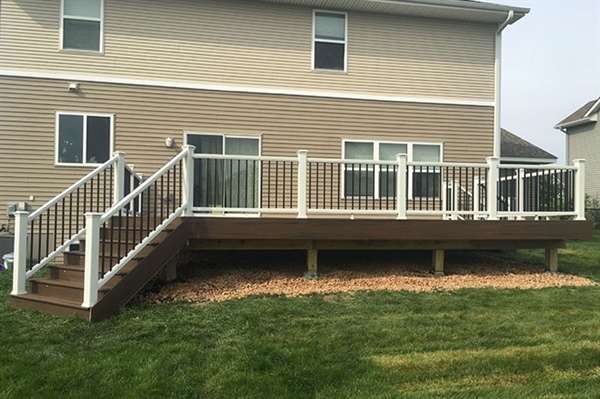
Adding stairs or multiple access points to a deck changes how people move, gather, and use the space on a daily basis. A single access point can create congestion, safety concerns, and limitations in how a deck connects to the yard or home. Multiple stair placements improve circulation, reduce wear on high-traffic areas, and make outdoor living spaces more adaptable for gatherings, family use, and long-term accessibility.
Homeowners planning deck upgrades often focus on surface materials and layout, but stair design plays an equally important role. Issues such as safety, slip resistance, lighting, spacing, and code compliance all factor into how stairs perform over time. This article examines how stair placement affects traffic flow, which materials reduce slipping risks, when multiple staircases are appropriate for larger decks, how lighting and railings improve safety, and how spacing requirements influence step height and tread depth. These considerations align with the construction standards followed by Premier Decks & Remodeling and reflect real-world deck use across Minnesota. For examples of modern deck layouts that incorporate safe access points, thoughtful stair integration is a consistent design element.
How Stair Placement Influences Safety and Traffic Flow on Decks
Stair placement directly affects how people move on and off a deck, particularly during gatherings or daily use. When stairs are positioned near primary doors or high-use zones such as grilling areas, foot traffic remains predictable and evenly distributed. Poorly placed stairs can force users to cross congested areas, increasing the risk of trips, collisions, and surface wear.
From a safety standpoint, stairs should be aligned with natural walking paths rather than positioned as an afterthought. Building codes referenced in Minnesota-focused deck planning emphasize unobstructed egress routes and consistent landing transitions. Placing stairs at corners or along deck perimeters often improves circulation by allowing users to enter or exit without cutting across furniture or activity zones.
Traffic flow also affects long-term structural performance. Concentrated foot traffic near a single access point can accelerate board wear and fastener fatigue. Distributing access points reduces stress on individual components and improves overall usability. Modern deck layouts commonly integrate stairs as part of the overall circulation plan rather than attaching them after the deck frame is complete, a strategy visible in professionally designed deck projects.
What Materials Prevent Slipping on Outdoor Deck Stairs
Slip resistance on outdoor stairs depends on both material choice and surface texture. Pressure-treated lumber with routed grip patterns, composite decking with molded traction, and aluminum stair treads with textured coatings are commonly used to reduce slipping risks. These materials maintain traction even when exposed to rain, snow, or morning dew.
Composite stair treads are frequently selected because they provide consistent surface friction without splintering. Many products are engineered with slip-resistance ratings that meet or exceed building code recommendations for exterior walking surfaces. These materials also resist moisture absorption, reducing freeze-thaw damage that can create uneven tread surfaces over time.
Additional anti-slip solutions include abrasive stair strips, recessed grip inserts, and high-durability coatings designed for exterior use. These features are often incorporated during construction rather than added later, allowing stair assemblies to meet safety expectations without compromising appearance. Material selection plays a key role in meeting long-term safety standards outlined in regional deck construction practices.
When Multiple Staircases Make Sense for Larger Deck Designs
Multiple staircases are often appropriate for decks with large footprints, multi-level layouts, or distinct functional zones. When a deck includes dining areas, lounge spaces, and yard-facing features such as fire pits or gardens, separate access points prevent bottlenecks and improve circulation.
Building codes frequently require additional means of egress once a deck exceeds certain square footage thresholds or serves multiple entry doors. In these cases, secondary staircases are not optional; they are required for safety compliance. Multiple access points also improve emergency egress by shortening travel distances to grade.
From a usability perspective, multiple staircases allow different household members or guests to move independently without crossing high-traffic zones. Larger decks benefit from this separation, especially when hosting events or accommodating varied mobility needs. This approach reflects modern deck planning standards used in professional residential construction.
How Lighting and Railings Enhance Stair Safety
Proper lighting is critical for stair safety, particularly in low-light conditions common during evenings and winter months. Code-compliant stair lighting improves depth perception and highlights changes in elevation, reducing the risk of missed steps. Common solutions include recessed riser lights, post-cap fixtures, and low-voltage tread illumination.
Railings provide both physical support and visual guidance. Handrails must be installed at consistent heights and extend fully along stair runs to comply with residential building standards. When paired with contrasting colors or integrated lighting, railings help users identify stair edges more clearly.
Lighting and railings work together to create a predictable, visible path of travel. These features are not decorative add-ons; they are functional safety components required under many local codes. Proper integration during construction ensures stairs remain usable and safe throughout seasonal changes.
How Spacing Requirements Affect Step Height and Tread Depth
Step height and tread depth are governed by strict spacing requirements intended to prevent trips and falls. Residential deck codes typically limit riser height to approximately 7¾ inches while requiring minimum tread depths around 10 inches. Uniformity across all steps is critical; even minor variations can disrupt walking rhythm.
Improper spacing often occurs when stairs are retrofitted without recalculating elevation changes. Accurate measurements from deck surface to grade are necessary to distribute riser heights evenly. Consistent spacing reduces strain on joints and improves accessibility for users of all ages.
These requirements influence both safety and comfort. Adhering to them during design and construction ensures stairs function predictably under daily use. Compliance with spacing standards is a foundational principle followed by Premier Decks & Remodeling when integrating stairs into custom deck structures.
Professional Deck Stair Design and Construction Support
Premier Decks & Remodeling provides expert deck planning and construction services that address stair placement, material selection, safety features, and code compliance from the start of each project. Based in Isanti, MN, the company applies local building standards and practical design experience to ensure deck stairs function safely and efficiently over time.
Whether a project involves optimizing traffic flow, selecting slip-resistant materials, planning multiple access points, or meeting precise spacing requirements, their team applies proven construction methods grounded in Minnesota residential codes. Homeowners seeking guidance on deck stair design can rely on clear planning and compliant execution.
To discuss deck stair options or request professional guidance, contact Premier Decks & Remodeling at 763-238-6195. Use their contact us page to start a conversation about your project.